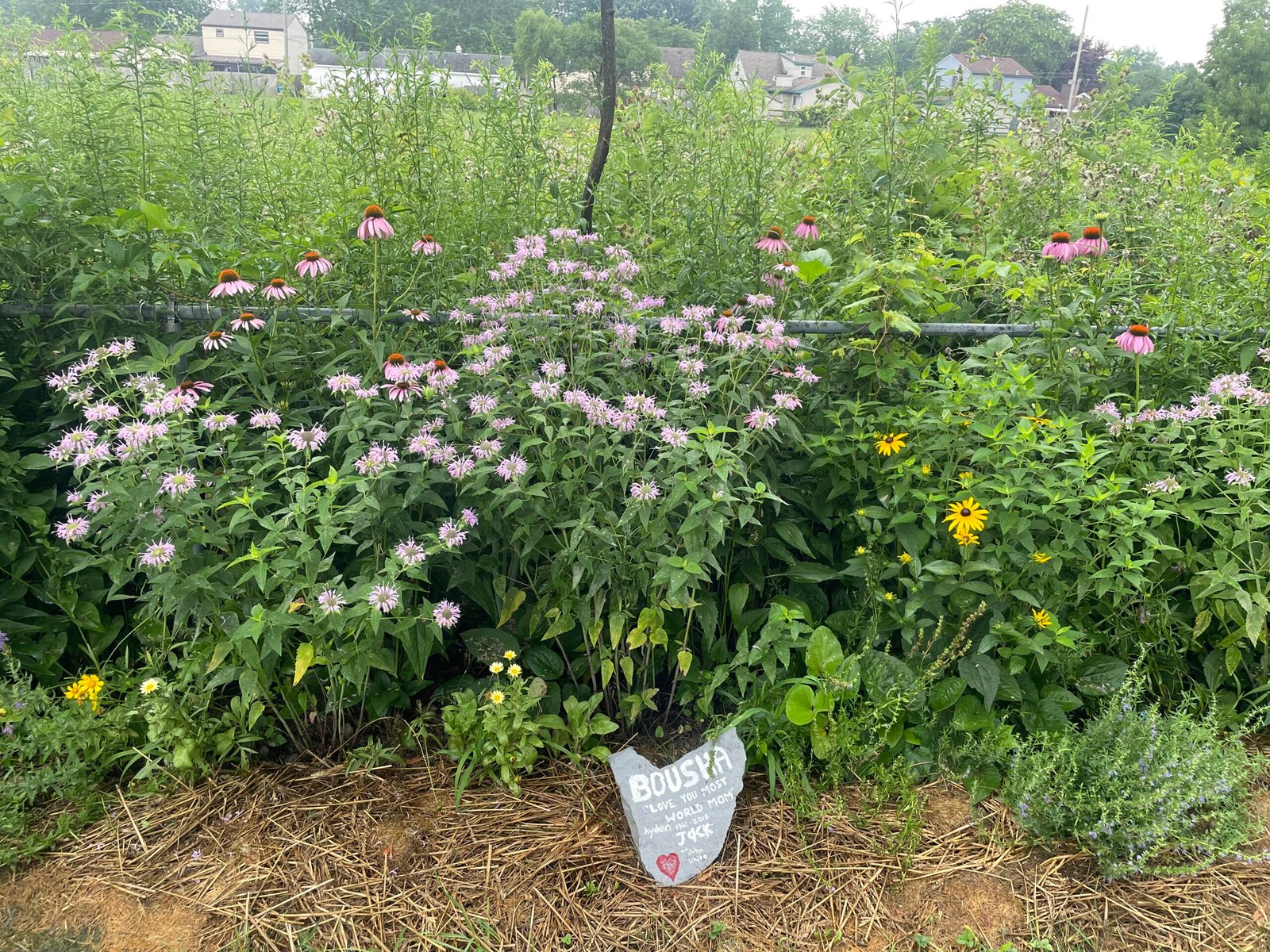

This guide is designed for beginners in Northwest Ohio & Southeast Michigan, but applies broadly to similar regions.
If you’re just starting out with native plants, native plants for full sun are often the easiest and most rewarding place to begin. Many North American native species evolved in open prairies, savannas, and meadow systems where sunlight was abundant, competition was intense, and plants needed to be both resilient and ecologically productive.
This guide highlights a small, intentional selection of beginner-friendly native plants that thrive in full sun and deliver strong ecological value without being overly demanding. Each plant listed here establishes reliably, supports wildlife, and helps new gardeners start building confidence — while leaving room for deeper design, refinement, and site-specific planning later on.
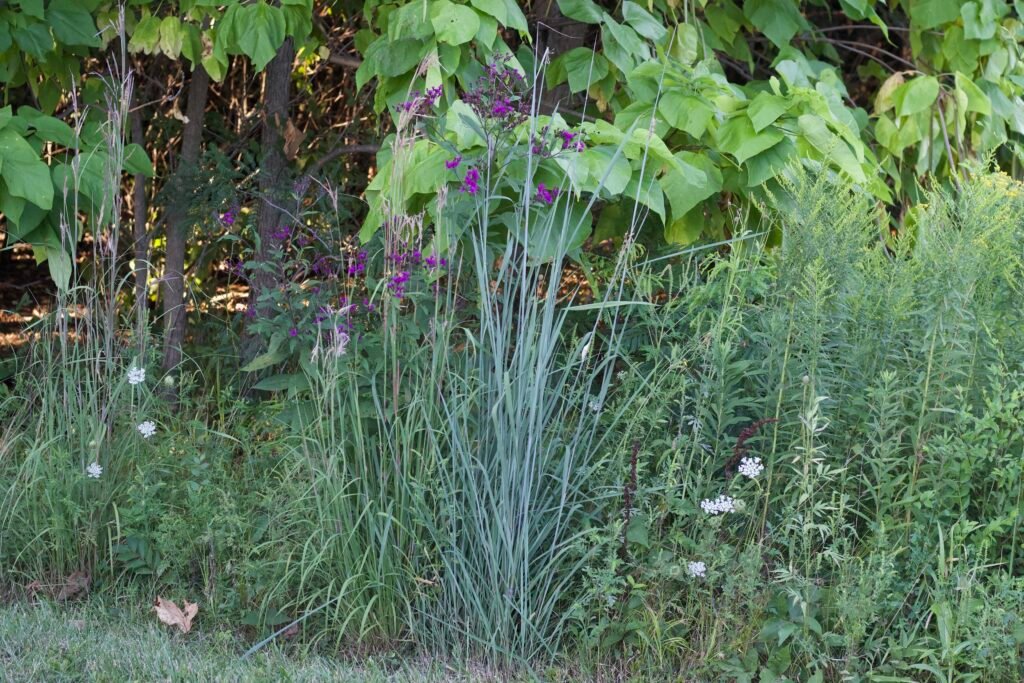
Big Bluestem (Andropogon gerardii)
Growth & Habitat Notes
Big bluestem is a tall, warm-season native grass that once dominated Midwestern prairies. It thrives in full sun and average to moist soils, developing deep roots and strong vertical structure. While it prefers consistent moisture, it is surprisingly adaptable once established.
This grass is best suited for open spaces where its height and seasonal movement can be appreciated without crowding smaller plants.
Ecological Value
Big bluestem is a cornerstone prairie species, serving as a host plant for numerous skipper butterflies and moths. Its dense stems provide nesting habitat for birds, while its extensive root system improves soil health, stability, and carbon storage.
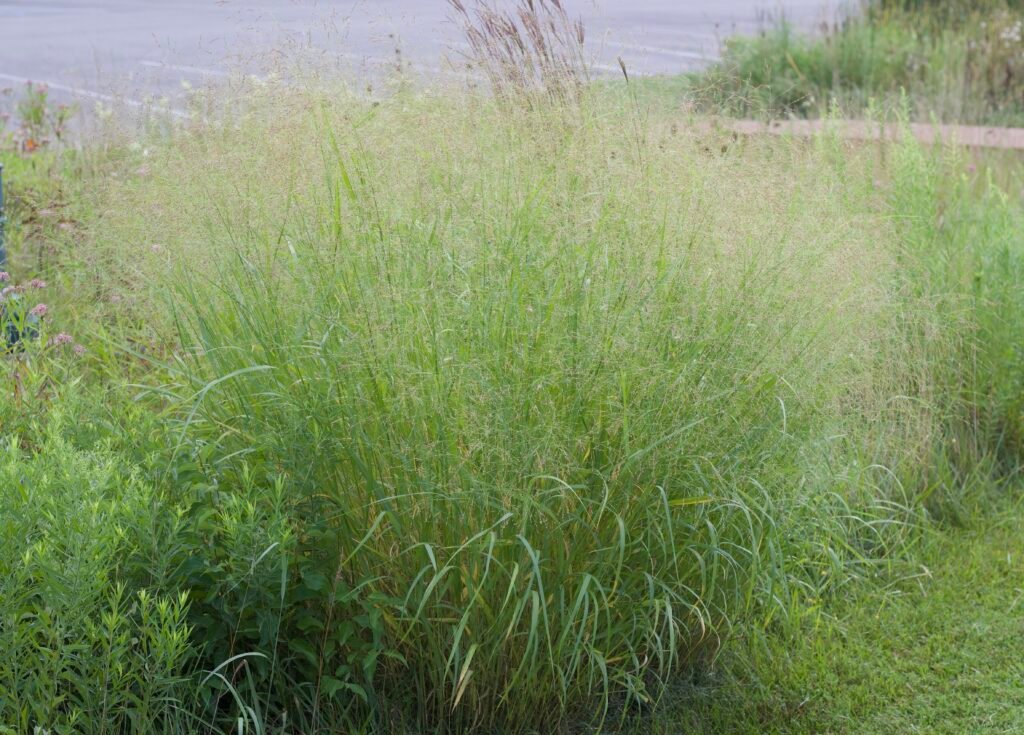
Switchgrass (Panicum virgatum)
Growth & Habitat Notes
Switchgrass is a tall, warm-season native grass well suited to moist to moderately wet soils, though it adapts to average garden conditions once established. It grows in upright clumps with airy seed heads that move gracefully in the wind.
It tolerates heat, humidity, and periodic flooding, making it a dependable choice for rain gardens or lower-lying sunny areas.
Ecological Value
Switchgrass is a host plant for multiple butterfly and moth species, provides nesting cover for birds, and supports beneficial insects. Its deep root system also improves soil structure and water infiltration.
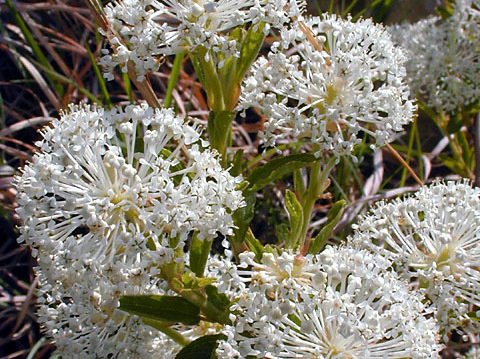
New Jersey Tea (Ceanothus americanus)
Growth & Habitat Notes
New Jersey tea is a compact native shrub adapted to dry, well-drained soils and full sun to light shade. It features deep roots, soft white flower clusters in early summer, and a tidy, low-maintenance growth habit once established.
This shrub is particularly well suited for sandy or rocky sites where other shrubs struggle.
Ecological Value
As a nitrogen-fixing plant, New Jersey tea improves soil health while supporting native bees, butterflies, and pollinators. Its flowers attract a wide range of insects, and its foliage supports native caterpillars.
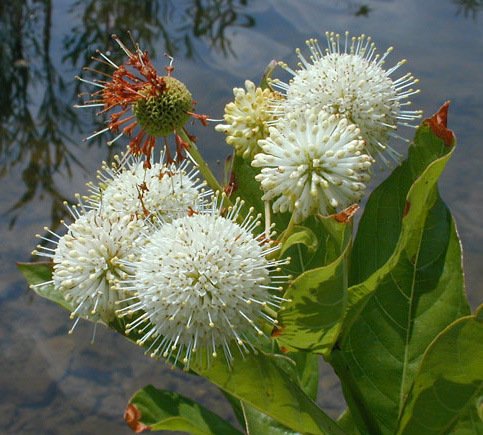
Buttonbush (Cephalanthus occidentalis)
Growth & Habitat Notes
Buttonbush is a moisture-loving native shrub naturally found along wetlands, streams, and seasonally flooded areas. It thrives in consistently moist to wet soils and full sun, producing distinctive spherical white flowers in early summer.
It can be used as a focal shrub in rain gardens or wet portions of sunny landscapes.
Ecological Value
Buttonbush flowers are rich in nectar and attract bees, butterflies, and other pollinators. The dense branching structure also provides cover for birds and wildlife.
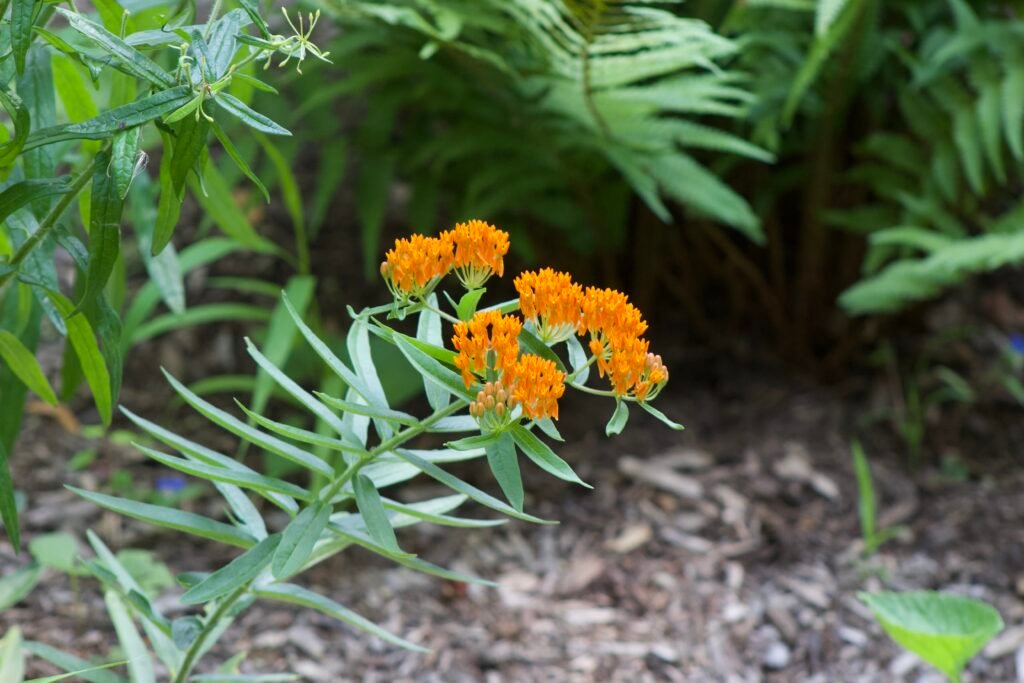
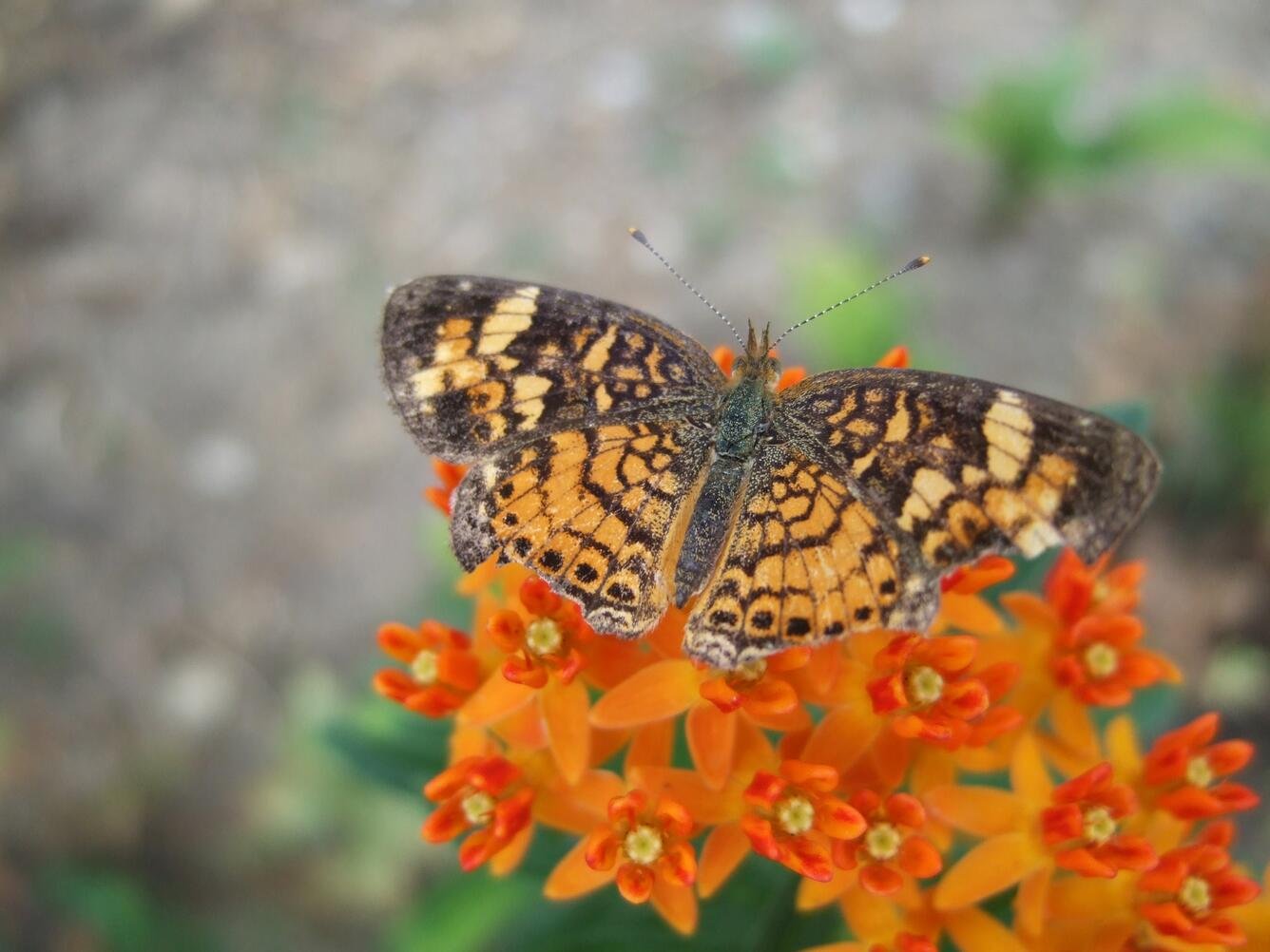
Butterfly Milkweed (Asclepias tuberosa)
Growth & Habitat Notes
Butterfly milkweed is a sun-loving perennial adapted to dry, well-drained soils, including sandy or rocky sites. It features bright orange flowers and a compact growth habit that works well in smaller gardens.
Once established, it is drought-tolerant and low-maintenance.
Ecological Value
This species is a host plant for monarch caterpillars and provides nectar for bees, butterflies, and other pollinators. Its long bloom period adds extended ecological value during summer.
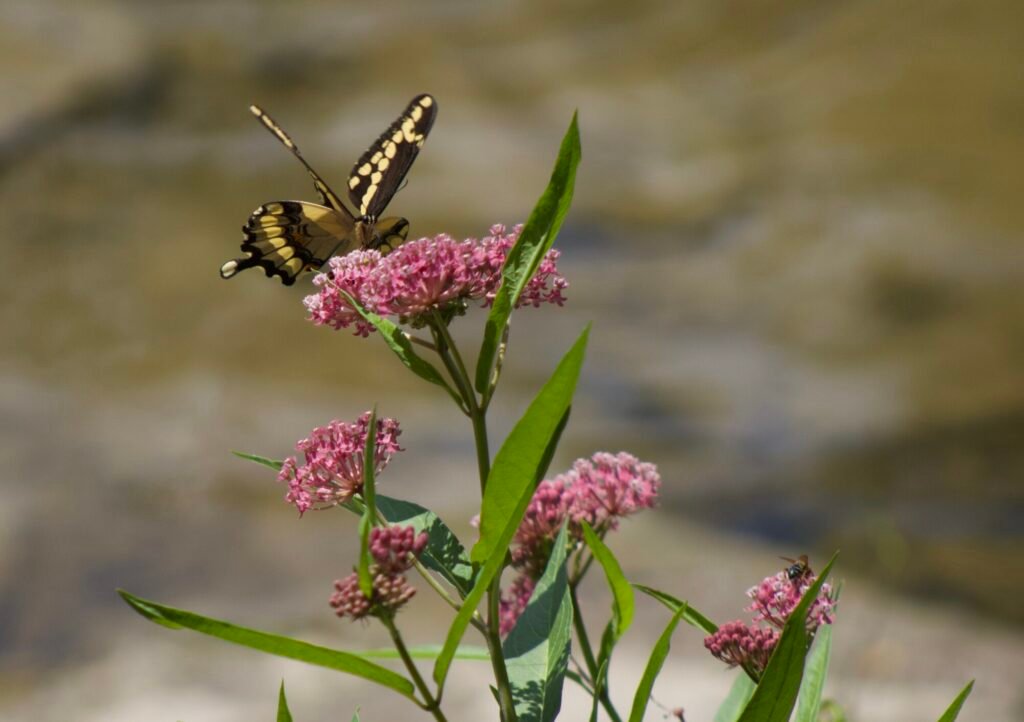
Swamp Milkweed (Asclepias incarnata)
Growth & Habitat Notes
Swamp milkweed prefers moist to wet soils and full sun, thriving in rain gardens, wet meadows, and low spots that hold water. It grows taller than butterfly milkweed and produces soft pink flower clusters in midsummer.
It tolerates periodic flooding and average garden soils that stay consistently moist.
Ecological Value
Like all milkweeds, swamp milkweed is essential for monarch reproduction and supports a wide variety of pollinators. Its flowers are especially attractive to native bees and butterflies.
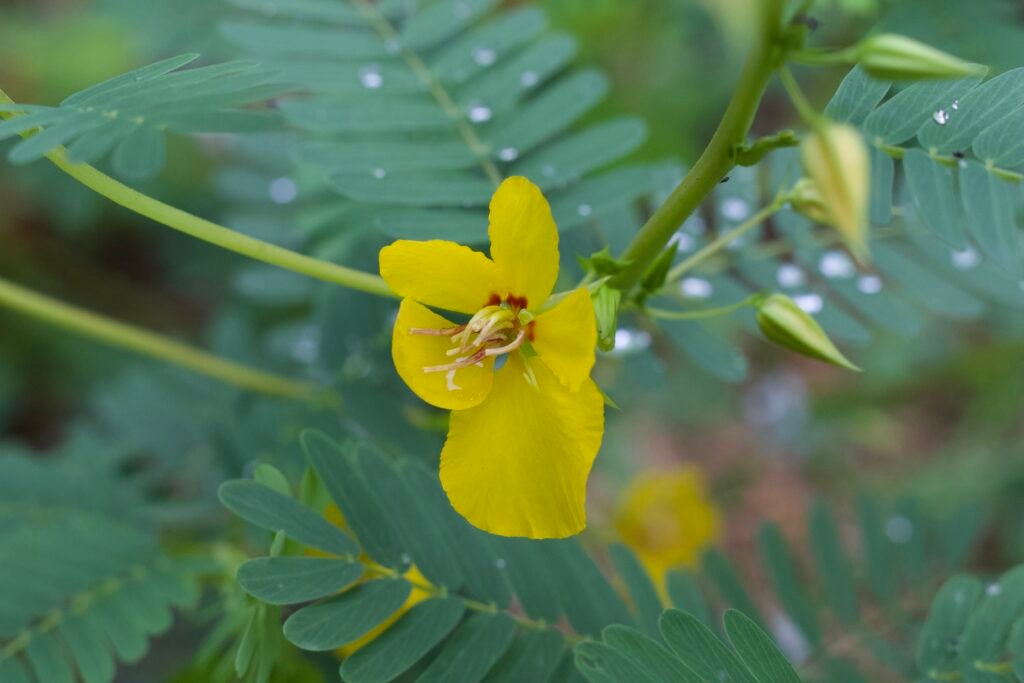
Partridge Pea (Chamaecrista fasciculata)
Growth & Habitat Notes
Partridge pea is a fast-growing native annual that thrives in full sun and a wide range of soil types, from dry and sandy to moderately moist. It readily reseeds, making it an excellent short-term or transitional plant in new native gardens.
Its sensitive leaflets fold when touched, adding a unique interactive element.
Ecological Value
This plant supports a wide range of pollinators and is a host for several butterfly species. As a nitrogen-fixer, it also improves soil health and helps prepare sites for longer-lived native perennials.
Final Thoughts
Starting a native garden doesn’t require mastering every plant or condition at once. These full-sun staples offer a reliable entry point — plants that establish well, support wildlife, and help gardeners begin reading their landscape through soil moisture, structure, and seasonal change.
As your garden matures, site-specific decisions about spacing, layering, transitions, and long-term goals become increasingly important. This is where thoughtful planning and personalized guidance can transform a good start into a thriving, resilient ecosystem.