

Introduction
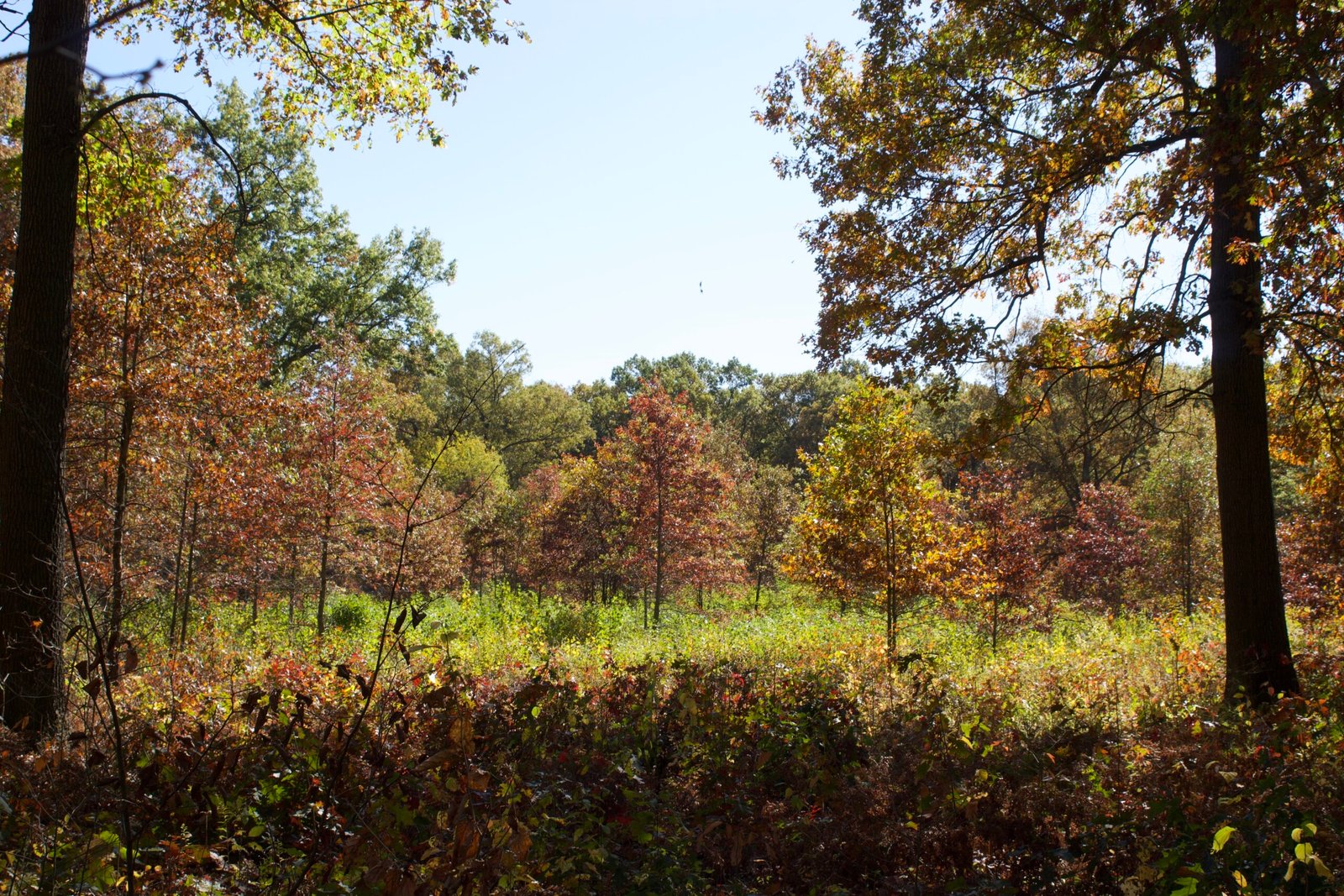
The Oak Openings Region in northwest Ohio is one of the most biologically diverse areas in the Great Lakes, with sand prairies, oak savannas, and wetlands all within a few square miles. By planting Oak Openings Region native plants, gardeners can bring elements of this rare ecosystem into their yards, supporting pollinators, birds, and other wildlife while helping restore these unique habitats.
History & Ecology
Formed after the retreat of the last glaciers, the Oak Openings Region features ancient sand dunes, ridges, and low-lying swales. This landscape allowed species from both eastern forests and western prairies to coexist in a dynamic balance. Over time, urban development and agriculture have fragmented these habitats, making local restoration and native planting increasingly important for maintaining biodiversity and ecosystem function.
Rare Plant Communities of the Oak Openings Region
A homeowner-friendly guide to understanding the ecological heritage of Northwest Ohio
The Oak Openings Region is one of the most biodiverse places in the Midwest — and home to several globally rare plant communities that exist almost nowhere else on Earth. Even small backyard plantings in Toledo and Northwest Ohio can help support the character and wildlife of these once-vast ecosystems.
Below are the six signature plant communities of the Oak Openings Region, explained in simple, useful terms — plus how each one can inspire your own native plant landscaping or backyard prairie project.
1. Black Oak / Lupine Barren
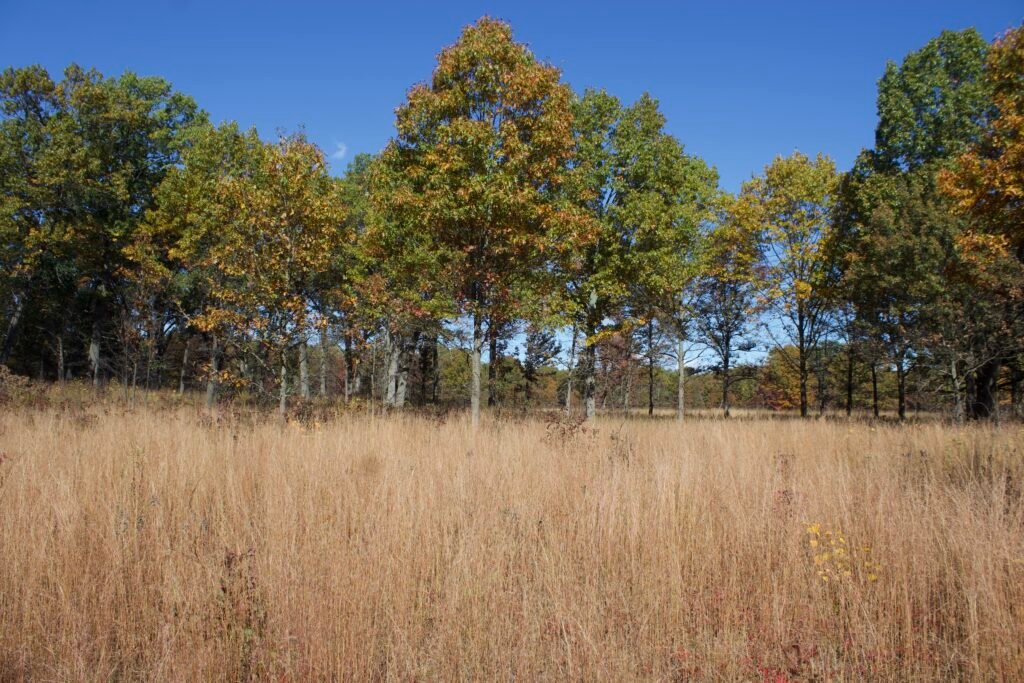
Once the classic “Oak Openings” landscape, this community features widely spaced black and white oaks on dry, sandy dunes with a sunny, open understory rich in native grasses and wildflowers like little bluestem, blue lupine, rough blazing star, and butterfly milkweed. Fire historically kept these areas open and thriving. Plants include: little bluestem,
Pennsylvania sedge, Junegrass, Canada frostweed, blue lupine, New Jersey tea, pasture rose plains, puccoon, western sunflower, butterfly milkweed, goats-rue, rough blazing
star and low bush blueberries.
How homeowners can use it:
Create a bright, open prairie zone in your yard by mimicking lean soils (sandy or gravel-rich), planting scattered native oaks (if space allows), and filling the understory with sun-loving grasses and forbs. This is perfect for pollinator garden design and low-maintenance habitat.
2. Oak / Blueberry Forest
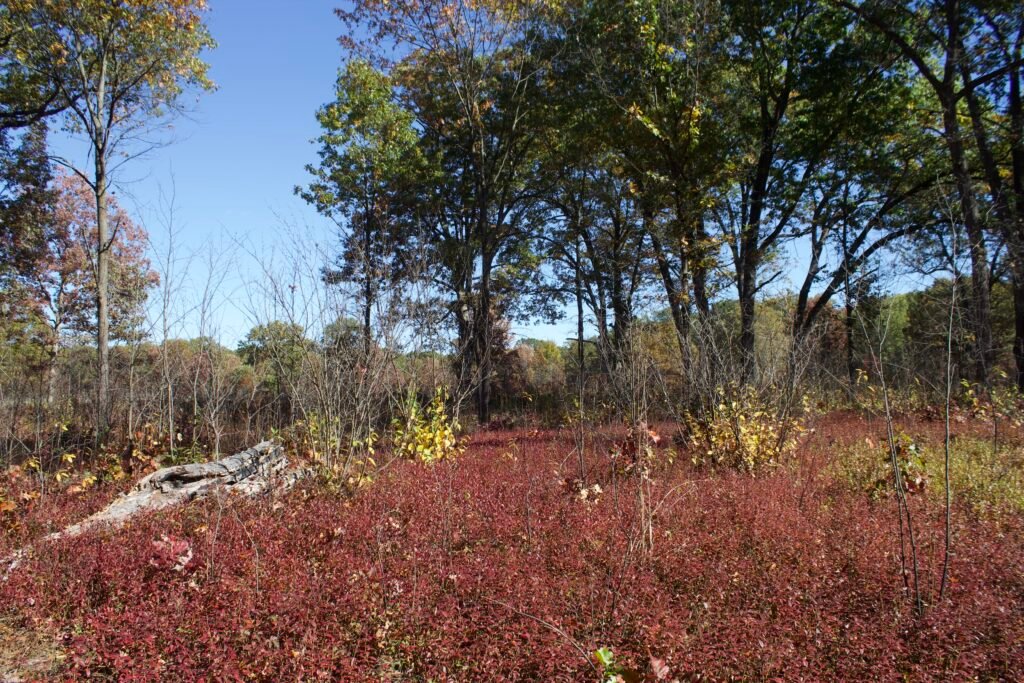
A quietly beautiful woodland community, low in overall species diversity, grows on the older dune formations. Here, a nearly closed oak canopy filters the sunlight and shapes the entire ecosystem beneath it. The understory is composed of witch hazel, huckleberry, and lowbush blueberry. Soft woodland herbs such as Pennsylvania sedge, large-leaved aster, wild sarsaparilla, bracken fern, and native asters fill in the forest floor, creating a gentle, shaded habitat.
How homeowners can use it:
If you have shade or mature trees, transform it into a wildlife-friendly garden by adding shade-tolerant natives mentioned above along with spring ephemerals. This is an excellent model for replacing turf beneath trees.
3. Midwest Sand Barren
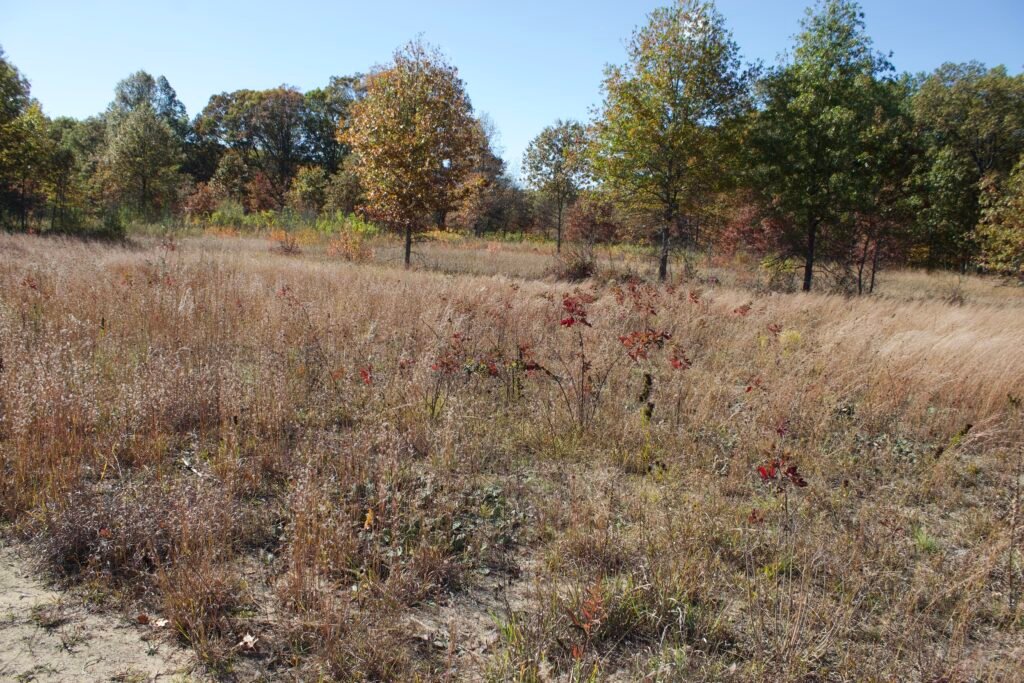
This harsh, open habitat resembles a mini-desert: hot, dry sand, sparse vegetation, and species adapted to drought — including prickly pear cactus, Junegrass, panic grasses, sand cherry, purple three-awn grass, and rare round-headed bush clover.
How homeowners can use it:
A great option for a sunny, sandy, or drought-prone corner. Use gravel or sand mulch, plant dry-tolerant species like little bluestem, gray goldenrod, and rough blazing star, and embrace the open, minimal aesthetic. Very low maintenance.
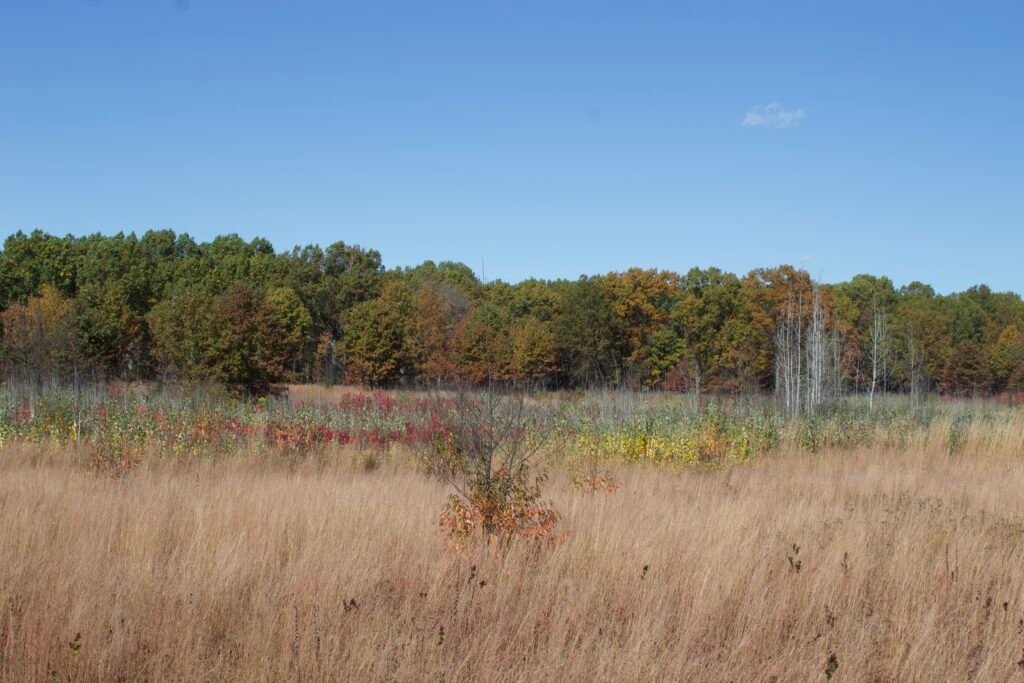
4. Mesic Sand Tallgrass Prairie
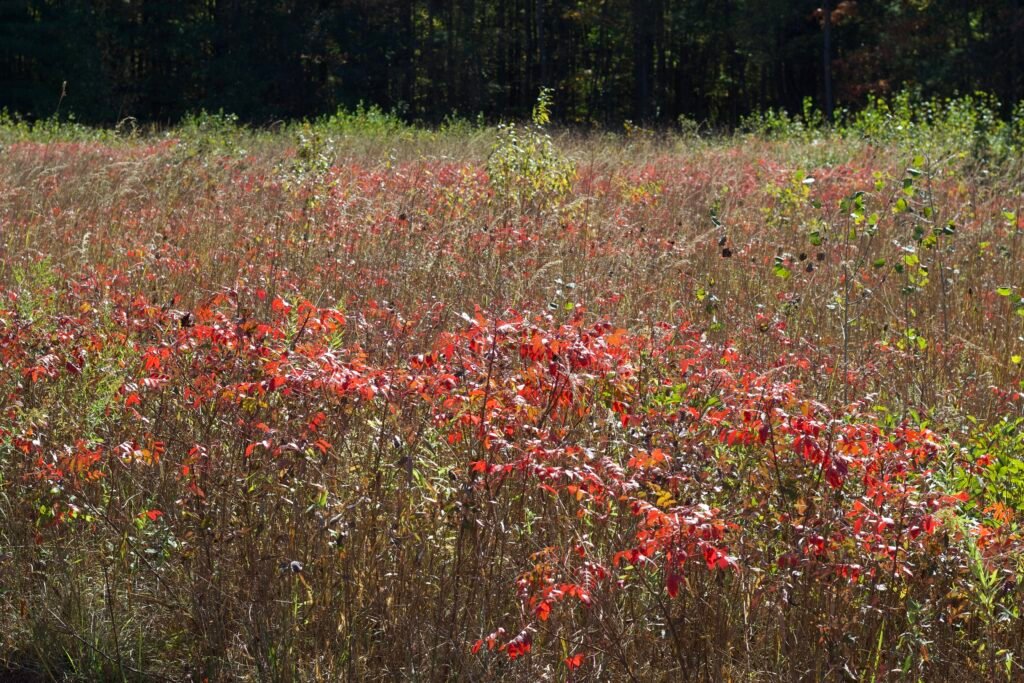
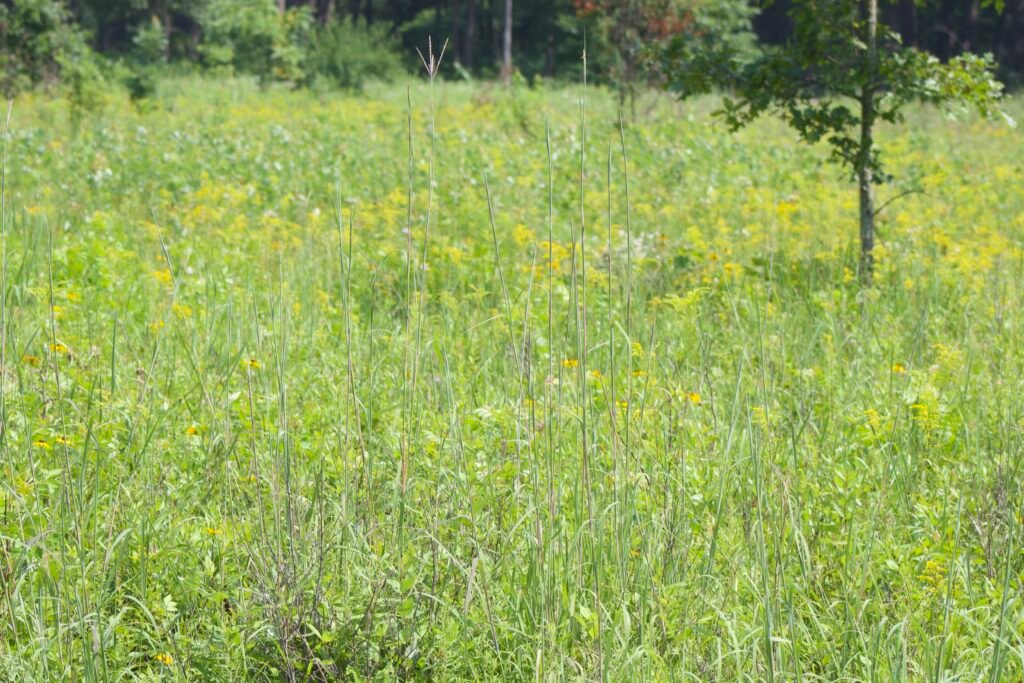
Found between sand dunes, Mesic Sand Tallgrass Prairie is globally vulnerable and one of the rarest communities in the Oak Openings Region. Once the most common wetland community in the area, it has been reduced to small patches due to development and fire suppression. These prairies experience seasonal moisture but remain sunny and open. Dominant species include big bluestem, Indian grass, little bluestem, tall coreopsis, and iconically, dense blazing star. Other species include prairie willow, meadow-sweet, steeplebush, showy tick-trefoil, yellow wild indigo, Canada goldenrod, showy goldenrod, sumacs, and dogwoods.
How homeowners can use it:
If your yard has an area that stays moist in spring but dries out in summer, this community is the perfect match. Plant tall prairie grasses (big bluestem, yellow indian grass) and forbs (rattlesnake master, Ohio spiderwort, yellow wild indigo) to create a structural, four-season prairie planting.
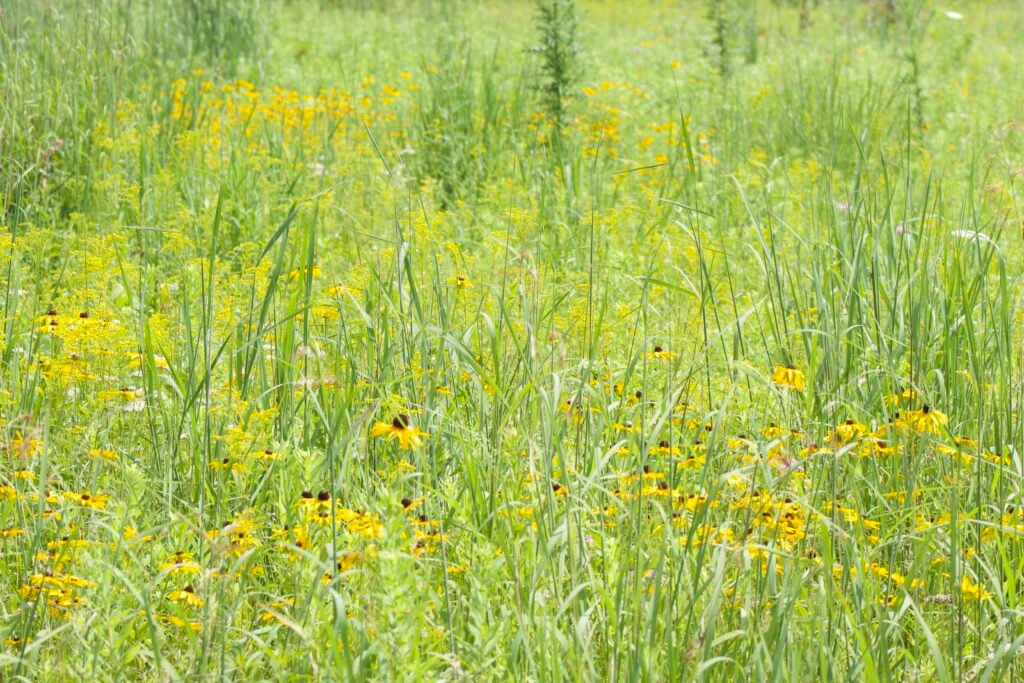
5. Twigrush Wet Prairie
Twigrush Wet Prairie is a wetland-prairie community unique to the Great Lakes region. In Ohio, it is found only in the Oak Openings Region, while in Michigan it may be called Lakeplain Wet Prairie and is limited to lakeshore counties near Lake Erie and Saginaw Bay. Seasonal ponding of water helps slow tree and shrub invasion, maintaining the open prairie character. This community features sedges, grasses, blueflag iris, blazing star, spiked lobelia, gentians, and occasional willows.
How homeowners can use it:
If you have a low spot, drainage swale, or seasonal wet area, turn it into a wet prairie strip. Use sedges (tussock sedge, fox sedge), blueflag iris, mountain mint, and wetland wildflowers (fringed gentian, tall ironweed and arrowheads). Excellent for stormwater management and biodiversity.
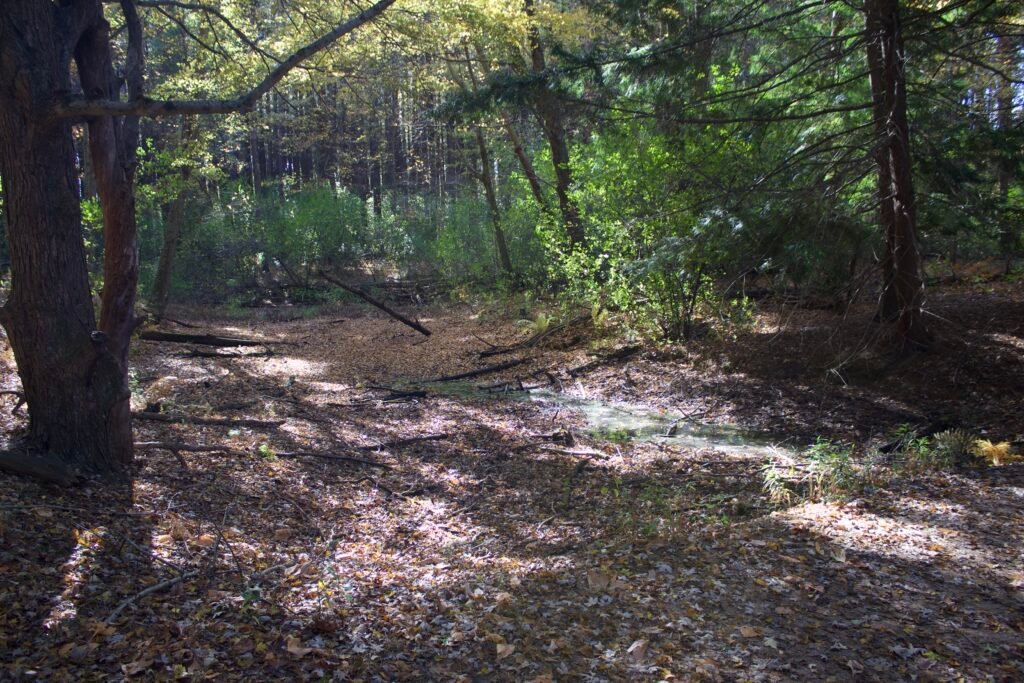
6. Great Lakes Pin Oak / Swamp White Oak Flatwoods
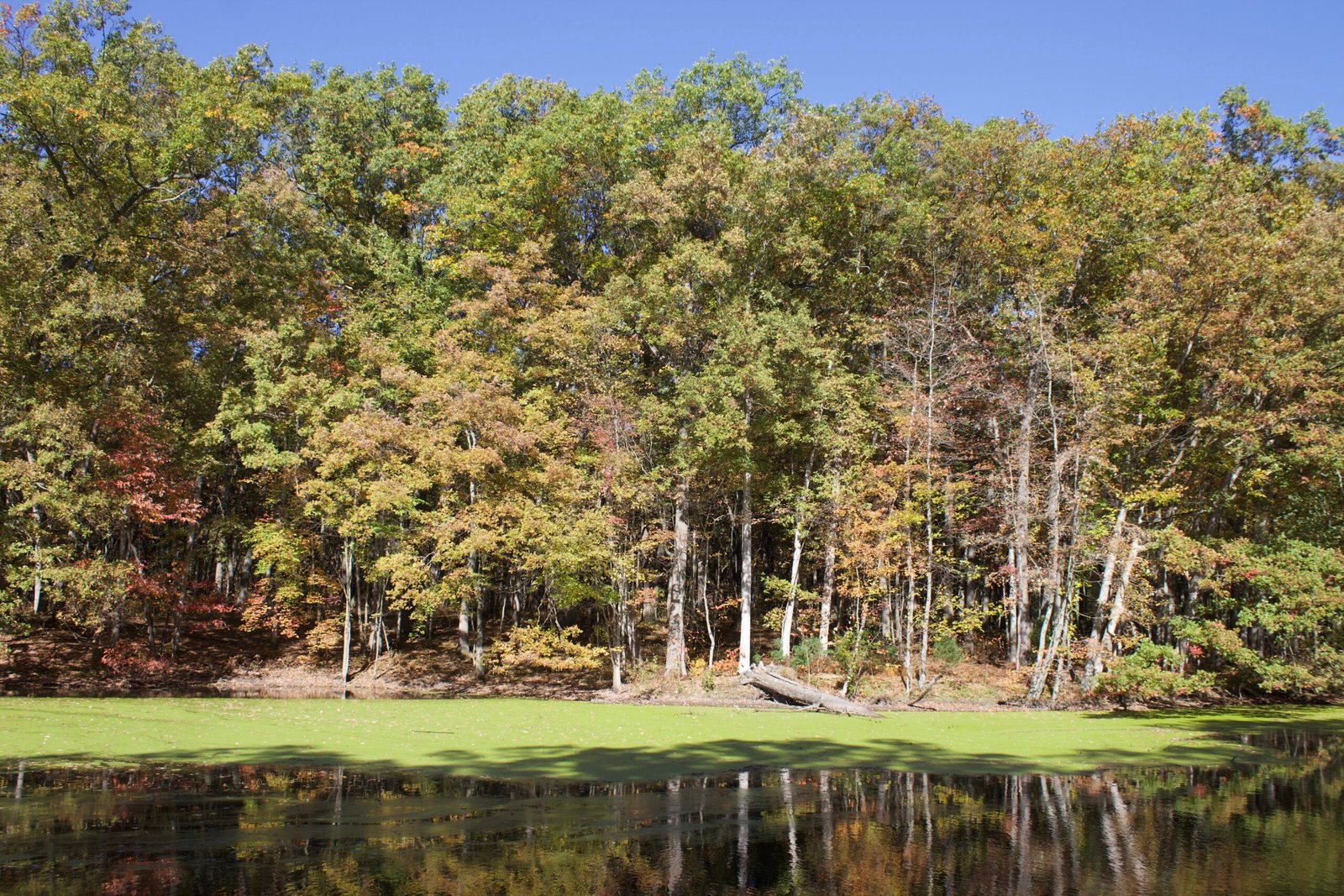
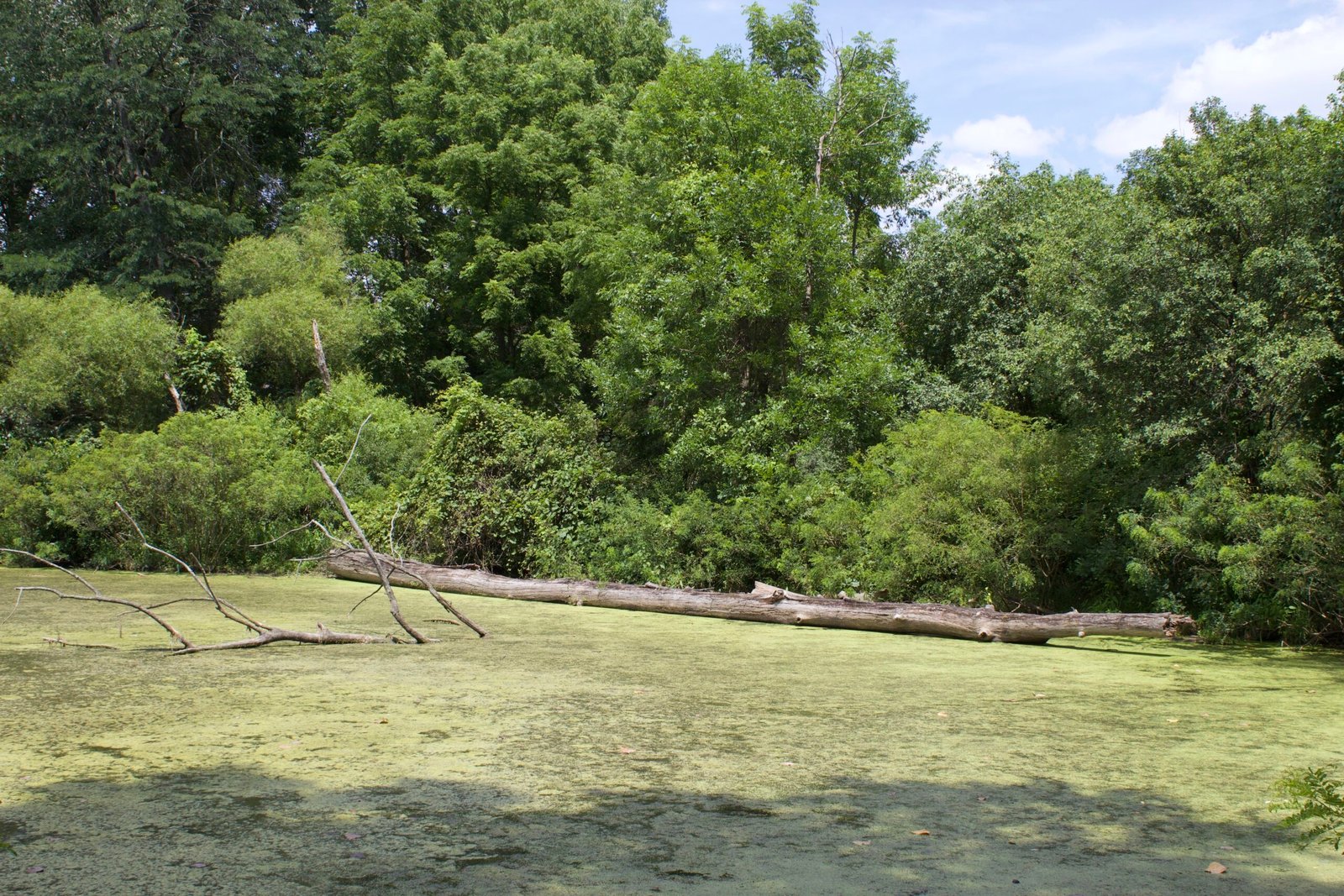
Seasonally flooded woodlands dominated by pin oak and swamp white oak typically have a layer of muck over the sand. This community was once common and today is the most frequent wetland type in the Oak Openings. Mesic Sand Tallgrass Prairies and Twigrush Wet Prairies often succeed into this woodland where fire is suppressed and water levels are reduced. The understory includes species such as winterberry, spicebush, cinnamon fern, and lake sedge.
How homeowners can use it:
For larger yards or wet back corners, this community offers inspiration for a wet woods edge. Add redosier dogwood, swamp rose, northern blue flag iris and mixed ferns to create a shady, moisture-tolerant wildlife zone.
Native Plants & Habitat Pockets
Here are some of the more readily available native plants that reflect the character of the Oak Openings Region. Home gardeners can bring elements of this unique ecosystem into their yards by selecting species adapted to sand prairies, oak savannas, and wetland swales. Some examples include:
Trees:
- Oaks: White Oak (Quercus alba), Black Oak (Quercus velutina), Red Oak (Quercus rubra), Bur Oak (Quercus macrocarpa), Swamp White Oak (Quercus bicolor), Pin Oak (Quercus palustris), Scarlett Oak (Quercus coccinea),
- Other trees include: Red Maple (Acer rubrumcap), Shagbark Hickory (Carya ovata), Pignut Hickory (Carya glabra), Elm (Ulmus spp), Ash (Fraxinus spp), Aspen (Populus spp)
Prairie Forbs:
- Yellow Wild Indigo (Baptisia tinctoria)
- Dense Blazing Star (Liatris spicata)
- Butterfly Milkweed (Asclepias tuberosa)
- Wild lupine (Lupinus perennis)
- Prairie Phlox (Phlox pilosa)
- Common Mountain Mint (Pycnanthemum virginianum)
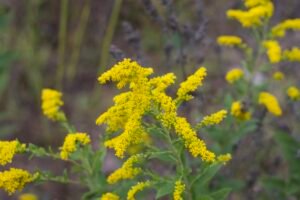
- Goldenrods (Solidago caesia, S. juncea, S. nemoralis, S. rigida, and S. speciosa)
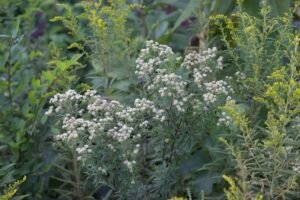
- Asters (Symphyotrichum laeve, S. oolentangiense, and S. pilosum)
Shrubs:
- Prairie Willow (Salix humilis)
- Sumacs (Rhus copallina, R. glabra, and R. typhina)
- Pasture Rose (Rosa carolina)
- New Jersey Tea (Ceanothus americanus)
Prairie Grasses & Sedges:
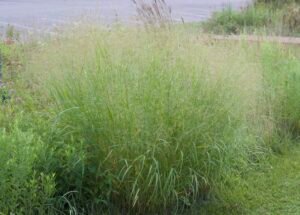
- Big Bluestem (Andropogon gerardii)
- Little Bluestem (Schizachyrium scoparium)
- Junegrass (Koeleria macrantha)
- Indian Grass (Sorghastrum nutans)
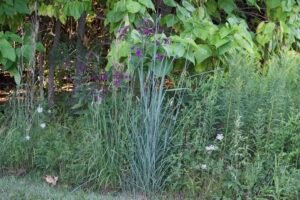
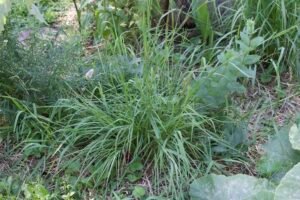
- Sedges (Carex bicknellii, C. brevior, C.meadii, and others)
Vines:
- Virginia Creeper (Parthenocissus quinquefolia)
- Riverbank Grape (Vitis riparia)
Woodland Floors:
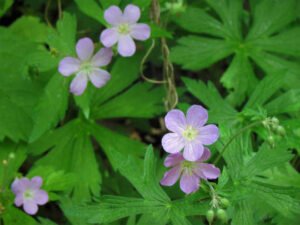
- Wild Geranium (Geranium maculatum)
- Sweet Joe Pye (Eutrochium purpureum)
- Cinnamon Fern (Osmunda cinnamomea)
- Woodland Sunflower (Helianthus divaricatus)
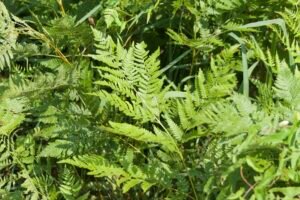
- Bracken Fern (Pteridium aquilinum)
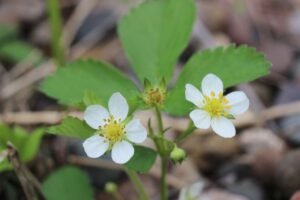
- Wild Strawberry (Fragaria virginiana)
- Early Sedge (Carex pensylvanica)
Wetland Swales:
- Swamp milkweed (Asclepias incarnata)
- Buttonbush (Cephalanthus occidentalis)
- Sagittaria spp (arrowheads)
By incorporating these Oak Openings Region native plants, gardeners can recreate the natural mosaic of habitats, attract pollinators and birds, and support local wildlife.
Why These Communities Matter
These rare ecosystems are the ecological identity of Northwest Ohio. When homeowners in Toledo and surrounding areas restore even a small patch of native prairie, woodland, or wetland plants, they are helping rebuild pieces of a globally significant landscape.
Designing your yard through the lens of these communities supports:
- Pollinators, birds, and beneficial insects
- Stronger, more resilient backyard ecosystems
- Reduced maintenance and less watering
- Deeper connection to place and local natural history
Backyard Habitats specializes in helping homeowners translate these plant communities into practical, beautiful native plant landscaping and wildlife-friendly garden design for modern yards.
tips for Restoring Oak Openings with native plants
- Match the plant to the microhabitat.
Notice drainage, moisture, and sun exposure, then choose species that naturally occur in similar Oak Openings habitats. - Use layers like nature does.
Combine trees, shrubs, grasses, and wildflowers to mimic the structure of prairies, savannas, and wetland swales. - Create habitat pockets.
Even a small prairie patch or wetland corner can make a meaningful ecological impact. - Think long-term.
Native plantings support soil health, wildlife, and ecosystem stability year after year.
Conclusion
The Oak Openings Region is a rare and invaluable part of Northwest Ohio’s ecosystems. By planting Oak Openings Region native plants, gardeners can help restore sand prairies, savannas, and wetland habitats — providing food and shelter for wildlife and reconnecting their yards to the natural landscape. Whether you envision a sun-filled prairie, a shady blueberry woodland, or a wetland patch buzzing with life, I can help you choose the right native plants for your site and create a design that delivers real ecological value.
🌱 Explore native plant landscaping & backyard prairie design in Toledo, Ohio
🌱 Book a consultation to start building your own backyard habitat


Pingback: The Overlooked Pennsylvania Native That Brings Fireflies Back To A Dark Backyard