
Introduction
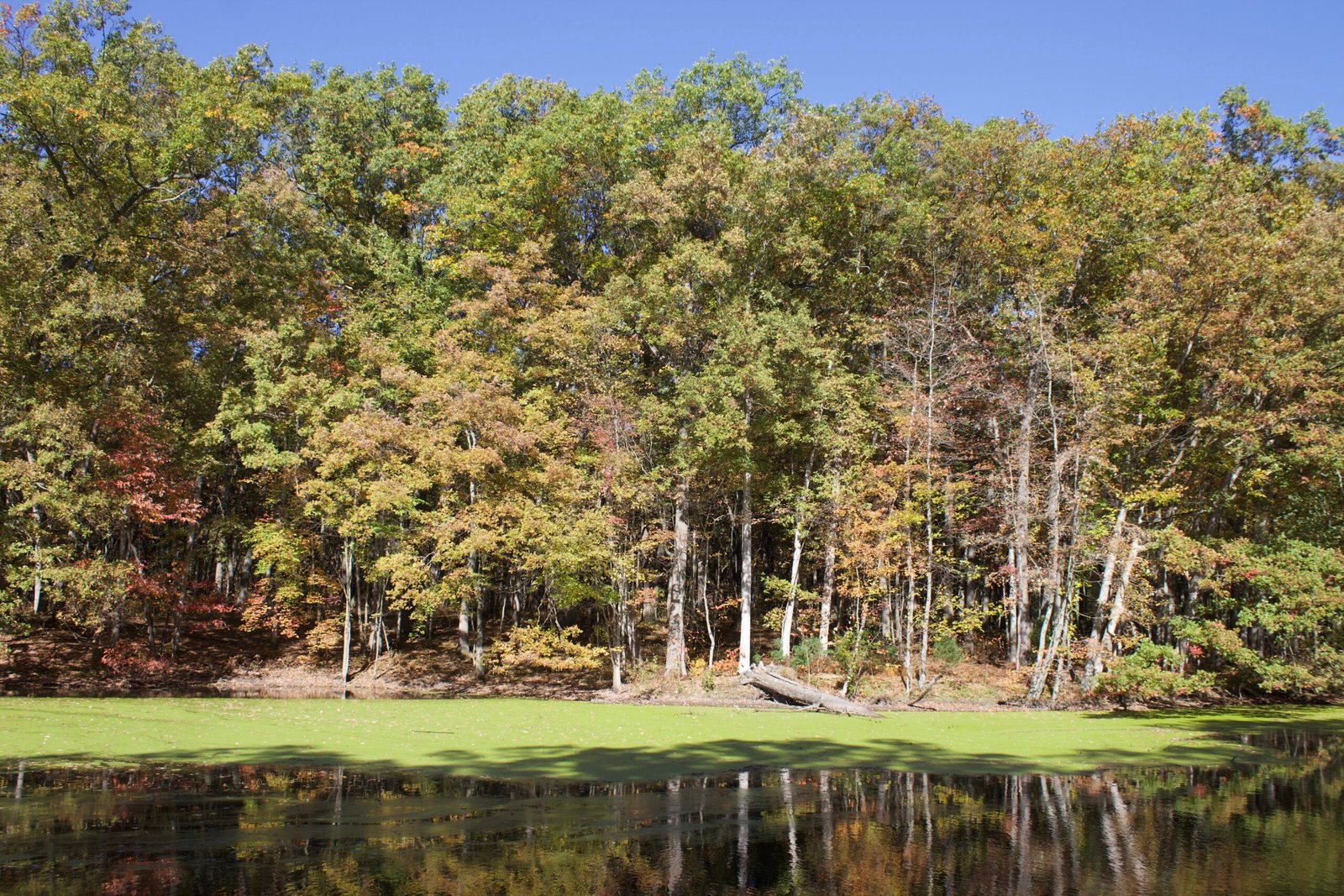
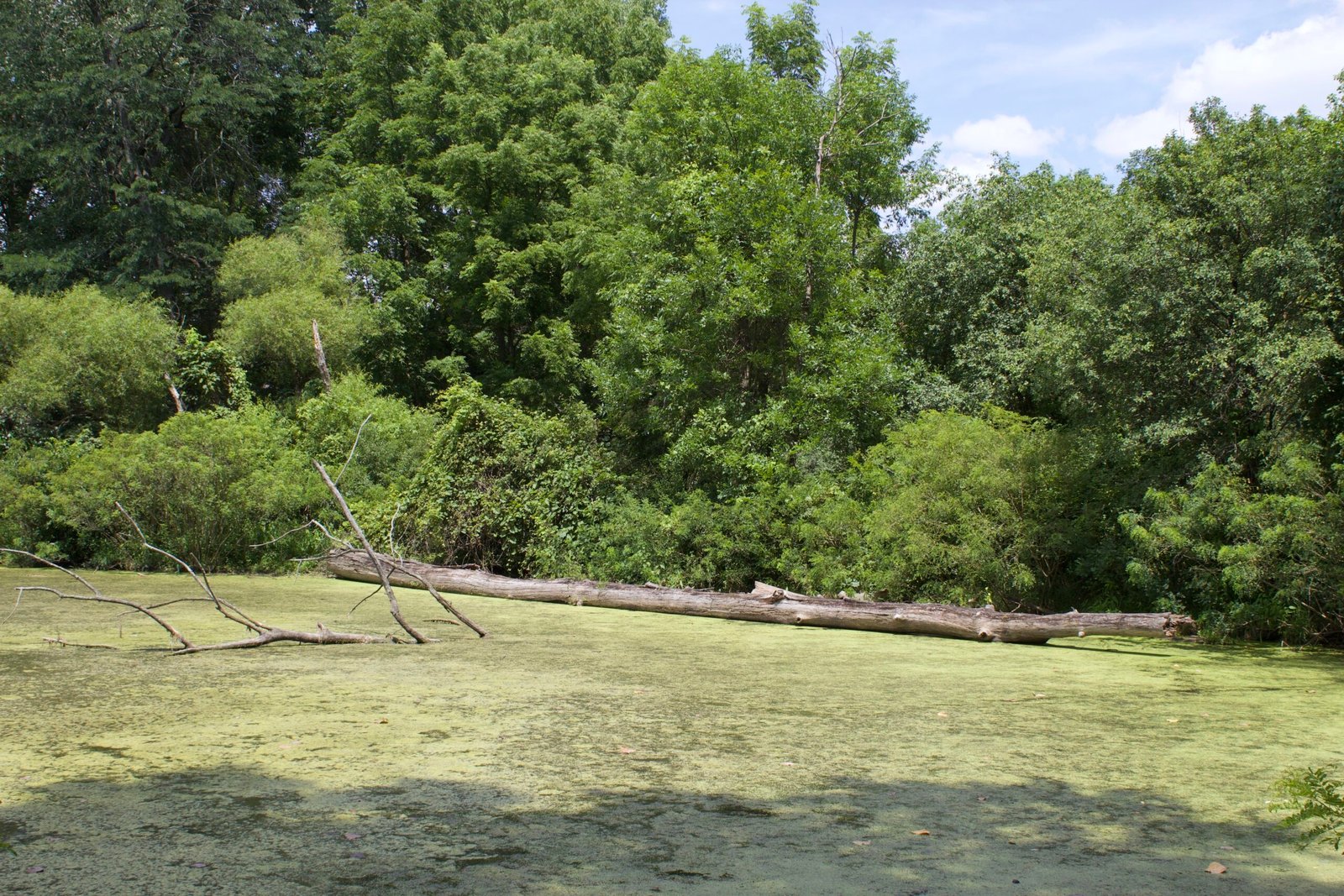
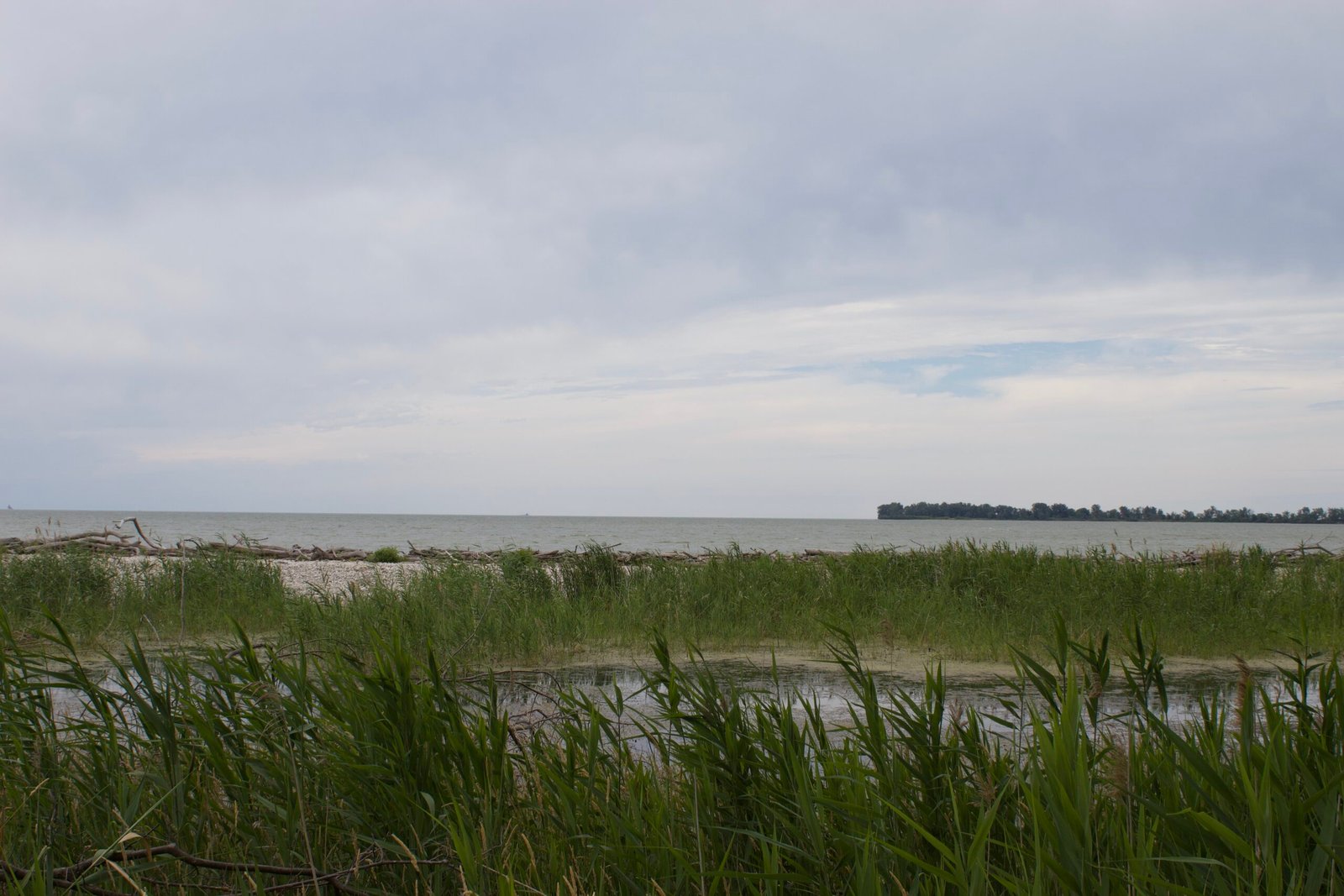
The Lake Erie Coastal Marsh forms a vital buffer along Ohio’s northern shoreline, filtering runoff, reducing erosion, and providing shelter for countless migratory birds. By planting Lake Erie Coastal Marsh native plants, gardeners can mimic this unique wetland habitat in their yards, supporting pollinators, amphibians, birds, and other wildlife while helping restore balance to Northwest Ohio ecosystems.
History & Ecology
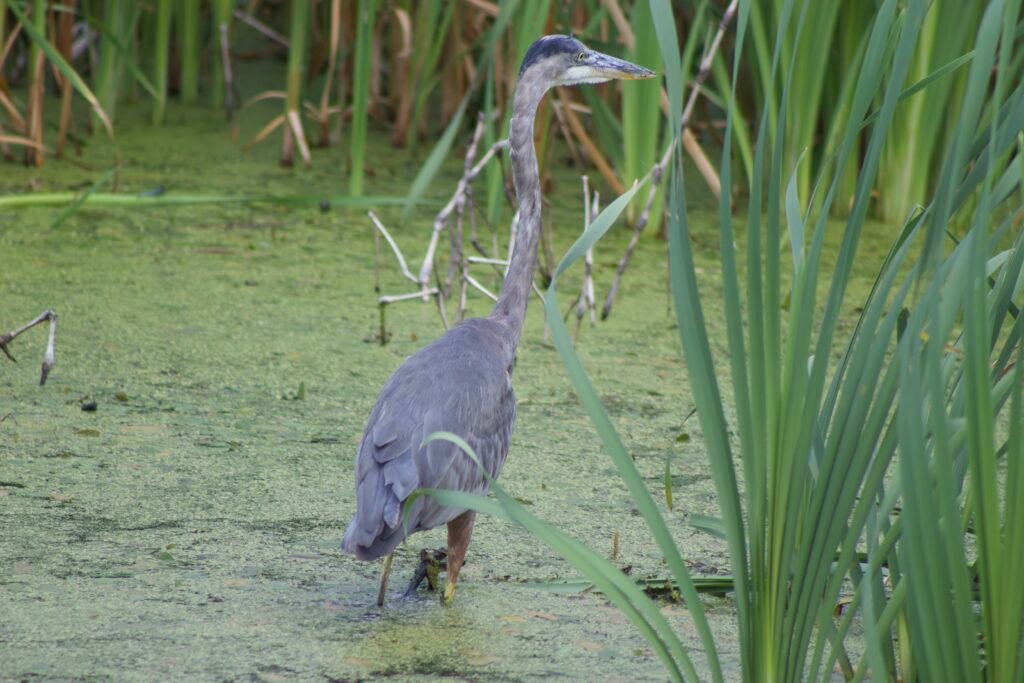
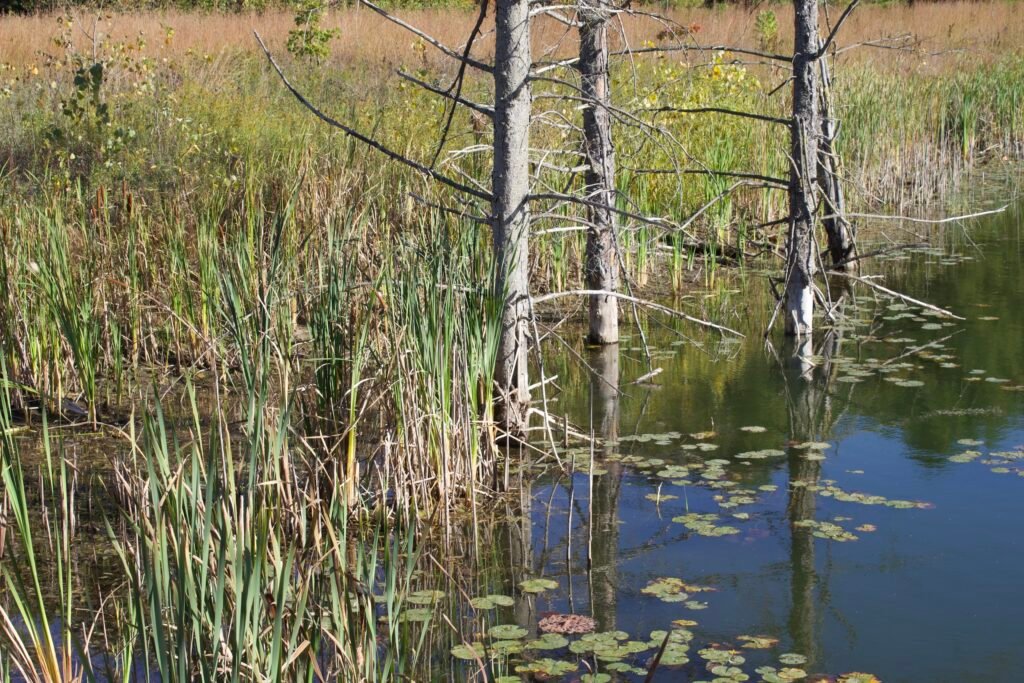
Shaped over thousands of years by Lake Erie’s fluctuating waters, the Coastal Marsh is home to shallow wetlands, mudflats, and emergent marsh areas. Once far more extensive, these habitats have been reduced by urban development, agriculture, and shoreline modifications. Still, the marshes that remain play a critical role in water filtration, flood control, and sustaining wildlife.
The Coastal Marsh is also a key part of the Lake Erie watershed, supporting a rich variety of plants and animals and providing essential ecological services. Understanding the history of these wetlands helps gardeners appreciate the importance of restoration and the role native plants play in maintaining ecological health.
Native Plants & Habitat Pockets
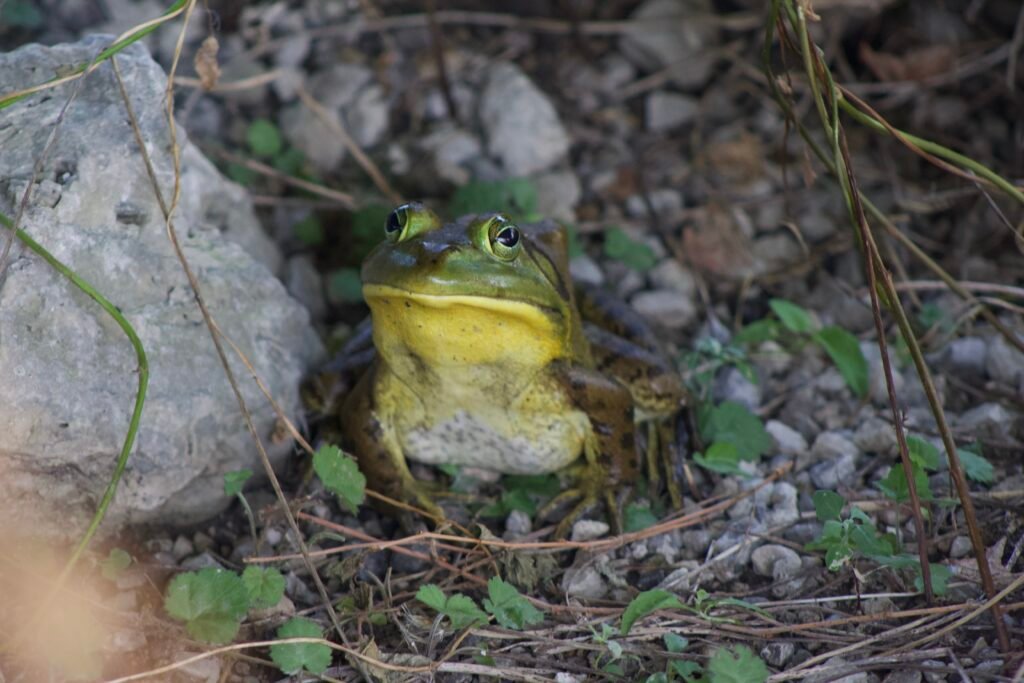
Home gardeners can replicate aspects of this habitat by selecting species suited to wet soils and shallow water zones. Common Lake Erie Coastal Marsh native plants include:
Forbs:
- Cattails (Typha latifolia)
- Swamp rose mallow (Hibiscus moscheutos)
- American lotus (Nelumbo lutea)
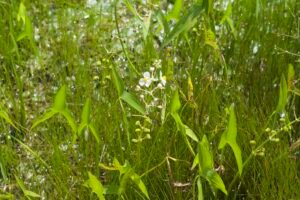
- Common arrowhead (Sagittaria latifolia)
- Swamp milkweed (Asclepias incarnata)
Graminoids:
- Cord grass (Spartina pectinata)
- Soft rush (Juncus effusus)
- Rattlesnake manna grass (Glyceria canadensis)
Trees:
- American elm (Ulmus americana)
- American Sycamore (Platanus occidentalis)
- Willows (Salix spp.)
Shrubs:
- Common Elderberry (Sambucus canadensis)
- Swamp Rose (Rosa palustris)
- Buttonbush (Cephalanthus occidentalis)
By incorporating these species into your garden, you can recreate a small piece of this marsh habitat, providing food and shelter for pollinators, amphibians, birds, and other wildlife.
tips for Restoring Lake Erie Coastal Marsh with native plants
- Choose plants that thrive in saturated or seasonally wet soils.
- Layer vegetation to mimic natural marsh structure — emergent plants near water, shrubs slightly higher, and grasses or sedges along edges.
- Provide shallow water areas or rain gardens to attract wetland species.
- Even a small garden pond or wetland patch contributes to restoring local habitat and supporting biodiversity.
- Keep in mind that most wetlands are a combination of clay, sand and silt.
Where to Experience Lake Erie’s Coastal Marshes in Northwest Ohio
If you want to see these vibrant coastal wetlands in action, here are a few must-visit spots along Lake Erie’s western basin:
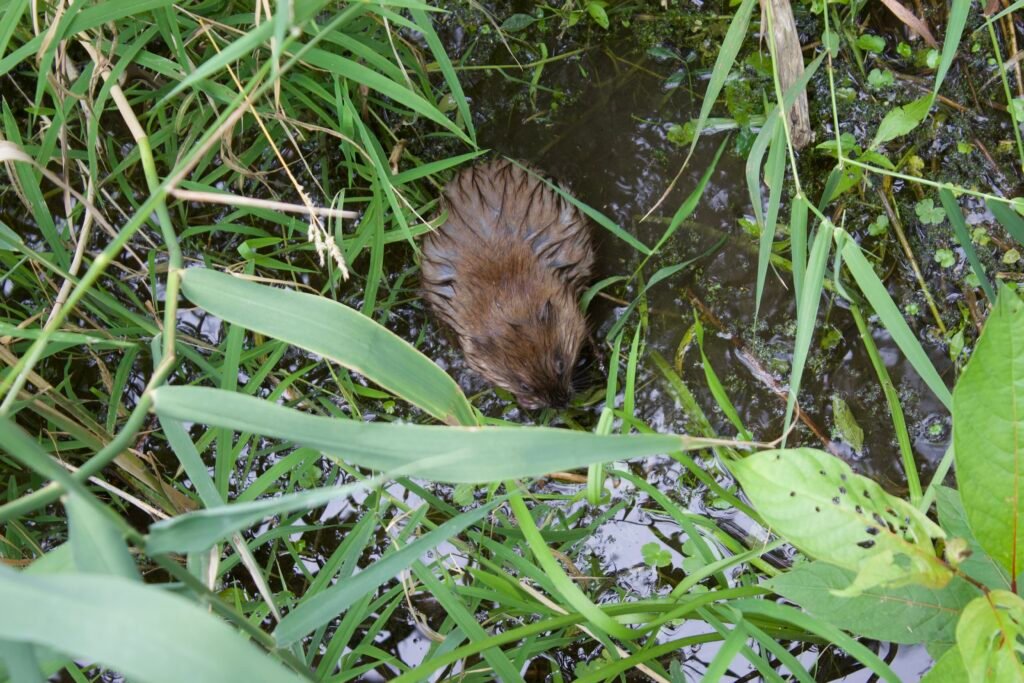
- Magee Marsh Wildlife Area (Oak Harbor, OH) – Known as “The Warbler Capital of the World,” this 2,000-acre marsh is one of the most diverse birding locations in North America. Boardwalk trails bring you up close to wetland plants, frogs, and migratory birds.
- Ottawa National Wildlife Refuge (Oak Harbor, OH) – A vast protected wetland complex with trails, observation towers, and driving routes where you can witness restored marshes and native vegetation supporting birds, turtles, and pollinators.
- Howard Marsh Metropark (Curtice, OH) – A newer restored wetland area offering walking trails and kayak access. It’s a living example of how restoration projects help revive the region’s natural water systems.
- Maumee Bay State Park (Oregon, OH) – Combines beaches, marshland, and boardwalks through coastal habitats, giving visitors a full picture of Lake Erie’s dynamic shoreline ecology.
- Metzger Marsh Wildlife Area (Curtice, OH) – A more rustic site great for birdwatching and observing natural wetland succession.
Each of these locations highlights how conservation and restoration are keeping Ohio’s coastal ecosystems thriving. Whether you’re a birder, photographer, or native plant enthusiast, visiting these sites helps deepen your connection to the landscapes that inspired Backyard Habitats.
Conclusion
The Lake Erie Coastal Marsh is a linchpin of Northwest Ohio ecosystems, protecting water quality and sustaining wildlife. By planting Lake Erie Coastal Marsh native plants in your garden, you can help restore this vital habitat, support pollinators, and create a thriving, balanced ecosystem — right in your backyard.