

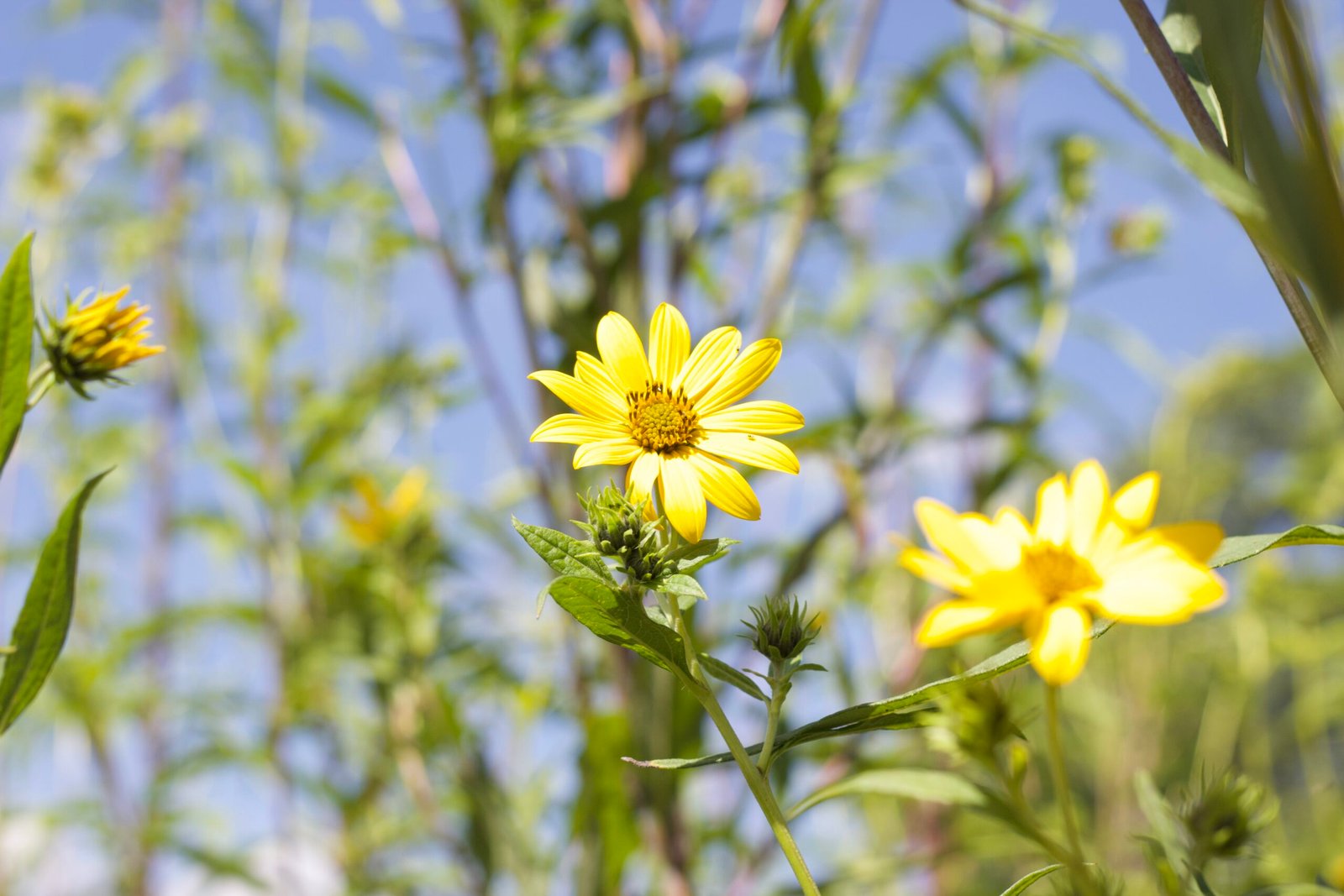
If you’re looking to add height, color, and pollinator power to your native garden in Northwest Ohio, Helianthus giganteus—the Giant Sunflower—deserves a spot. This towering perennial isn’t just eye-catching; it’s also a magnet for bees, butterflies, and birds. With its late-summer blooms and impressive stature, it plays both an aesthetic and ecological role in native landscapes.
Botanical Details
- Scientific name: Helianthus giganteus
- Family: Asteraceae (Aster family)
- Common names: Giant Sunflower, Tall Sunflower
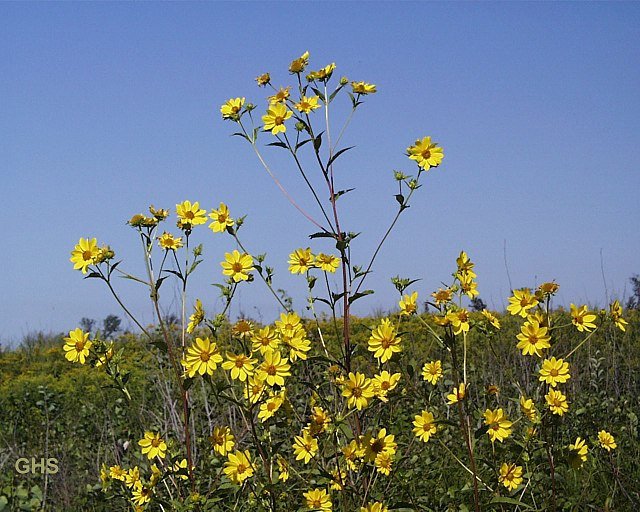
- Height: 6-8 feet (sometimes taller in moist, rich soil)
- Bloom time: Late summer to early fall (August–October)
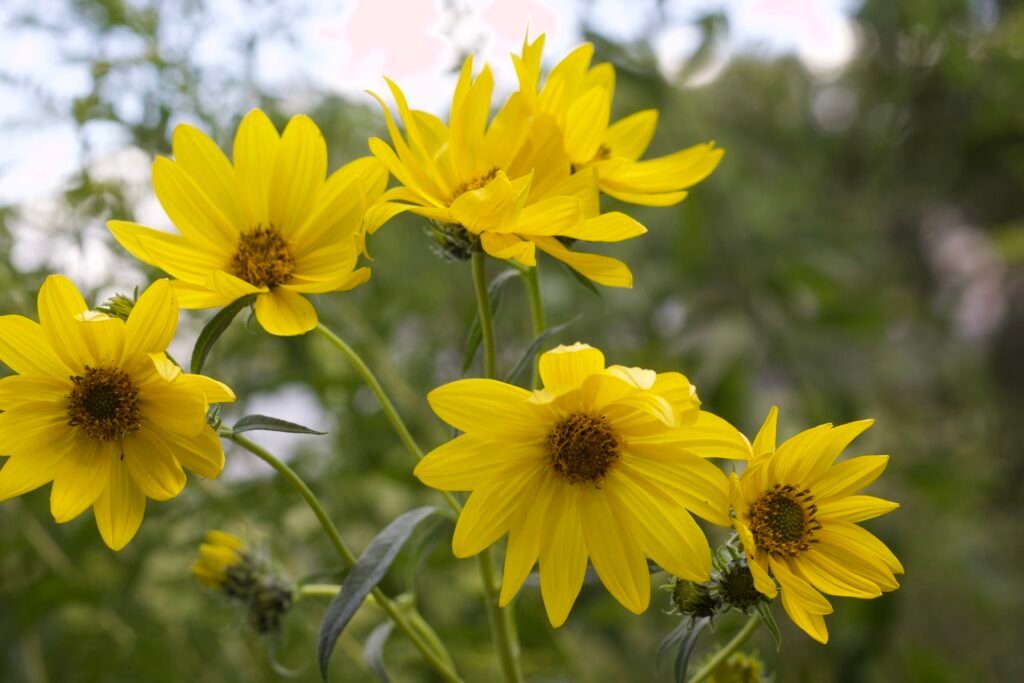
- Flower color: Bright yellow rays with darker yellow centers
- Cold Stratification: 30 days
- Native region: Eastern and central North America
- Hardiness zones: 3–9
Growing Conditions
Giant Sunflower thrives in:
- Soil: Moist to wet soils, tolerates clay but prefers rich loam
- Light: Full sun to light shade (best flowering in full sun)
- Moisture: Consistent moisture—ideal for rain gardens, wet prairies, and along streams
- Spacing: Give plenty of room; it can form large colonies by rhizomes
How to Grow
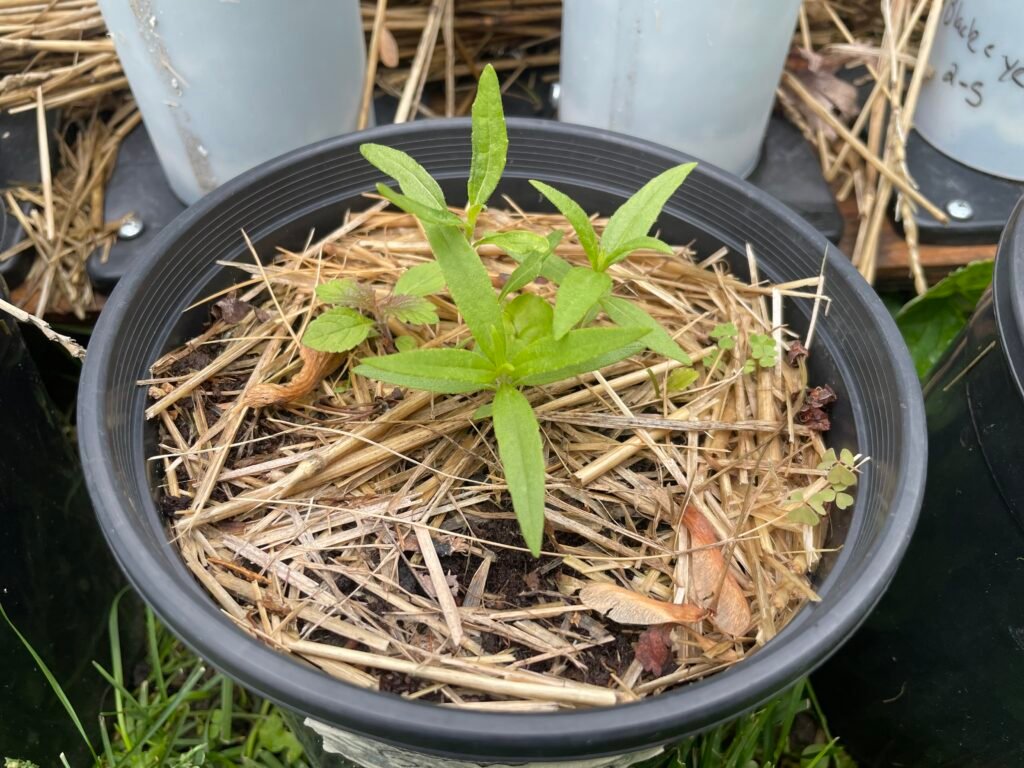
Start from seed or plugs. Seeds need cold stratification (30 days) for best germination. Plant in an area where it has space to stretch skyward, and consider staking if your site is windy. Once established, it spreads steadily by underground rhizomes—perfect for naturalized areas, though it may be too vigorous for smaller gardens.
Companion Plants for Giant Sunflower
Giant sunflower shines when paired with other tall and mid-height natives that balance its bold stature:
- Joe-Pye Weed (Eutrochium maculatum) – Soft pink flower heads provide contrast to sunflower’s golden blooms and attract pollinators.
- Tall Boneset (Eupatorium altissimum) – Clusters of white flowers bloom in late summer to early fall, drawing in butterflies, bees, and other pollinators.
- Prairie Dock (Silphium terebinthinaceum) – Huge, bold leaves at the base create dramatic structure alongside tall sunflower stalks.
- Switchgrass (Panicum virgatum) – Airy plumes and fall color provide texture and movement in the background.
- New England Aster (Symphyotrichum novae-angliae) – Extends the pollinator season with vibrant purple blooms after the sunflowers fade.
These companions not only complement giant sunflower visually but also increase diversity, supporting pollinators and birds throughout the growing season.
Giant Sunflower vs. the Common Annual Sunflower
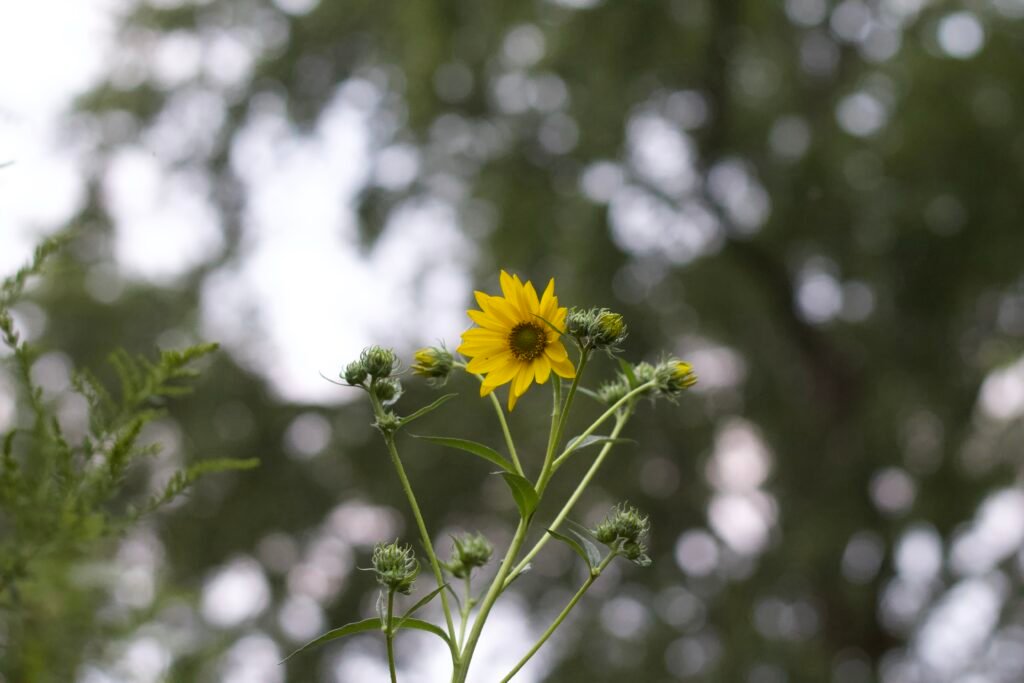
When most people think of a sunflower, they picture the large, single-headed annual sunflower (Helianthus annuus) often grown for seed or as a summer ornamental. Helianthus giganteus, however, is a perennial species that returns year after year, spreading by rhizomes to form tall colonies. Instead of one oversized bloom, Giant Sunflower produces many smaller, daisy-like flowers along its tall stems from late summer into fall. While annual sunflowers finish blooming by early fall, H. giganteus extends the season, providing critical late nectar and pollen for pollinators.
Wildlife Value
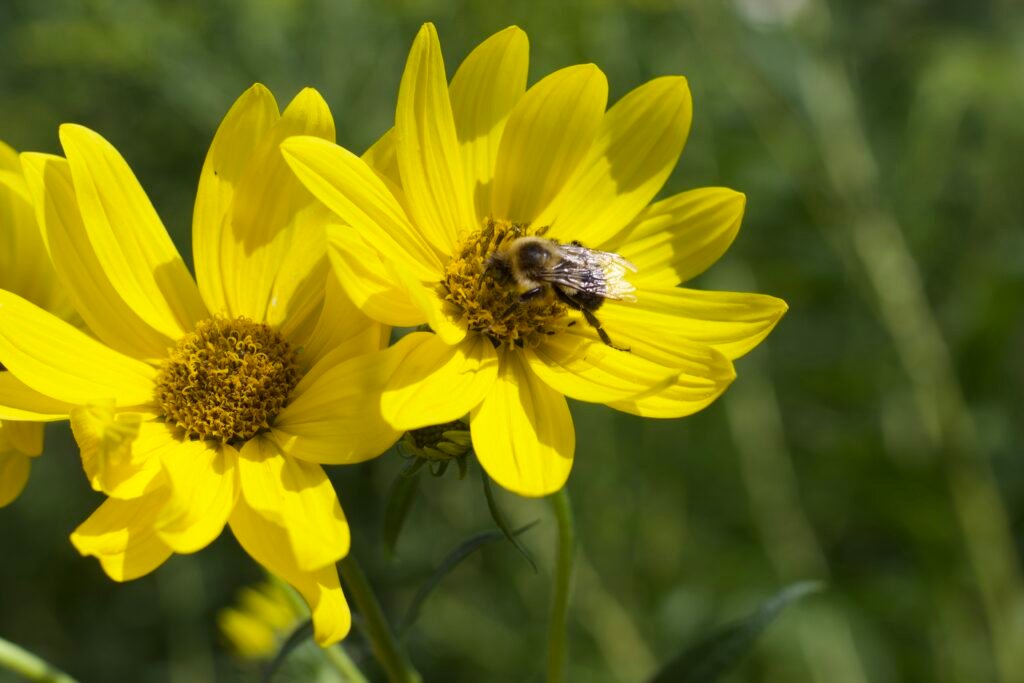
- Pollinators: Provides abundant nectar and pollen for bumblebees, sweat bees, long-horned bees, butterflies, and skippers
- Birds: Goldfinches, sparrows, and other seed-eating birds flock to the dried seed heads in fall and winter
- Other wildlife: Serves as a host plant for silvery checkerspot and painted lady caterpillars
- Ecological role: Offers late-season resources when other flowers are fading, making it a keystone in sustaining pollinators through fall
Why Plant Helianthus giganteus?
This native sunflower offers more than just a striking backdrop. It bridges the seasonal gap with late nectar, feeds pollinators and birds, and brings dramatic vertical structure to the garden. If you’ve got the space, Giant Sunflower is a bold and beneficial choice for any native planting.


